

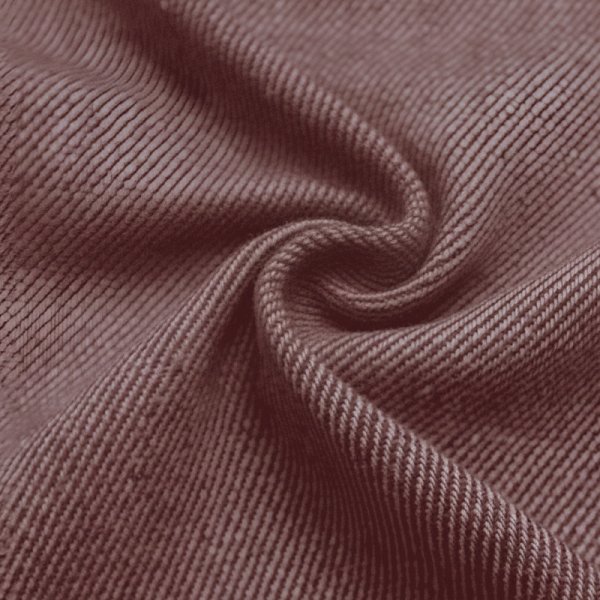
Blending wool with other fibres began somewhere in the 20th century to improve durability, ease of care and cost-effectiveness. Wool, as we know, is a natural fabric, and so is cotton. They are both renewable. When we consider how they feel on human skin, they both feel soft and comfortable on the skin. Mankind never stopped at what it got with cotton and wool from nature; instead, we, the living social beings, experimented and came up with a blend of the two most incredible yet easily available fibres.
Interestingly, the wool-cotton blend is not a new concept; it has been around for ages, with its origins dating back to the Middle Ages (c. 1000-1300 AD). Currently, it also happens to be our hero product at Kochartex, for its versatility and year-round appeal. It is a choice of high-end fashion brands and designers.
Many a time, designers and tailors love how wool-cotton blend fabric maintains structure over time while offering flexibility during wear. It can be used in classic suits, pencil skirts, or blazers, these fabrics provide sophistication with durability.
In global fashion trends, these blended fabrics are a go-to choice for their versatility and their advantages.
Advantages of Wool-Cotton Blend Fabric
Cotton itself has a lot of concerns, like lack of elasticity, stretching, and weight, which are solved when combining it with wool. Wool-cotton blends are great for warmer-weather or transition pieces for spring/autumn.
The cotton component in fabric makes it not as warm as 100% wool, and the wool component gives the cotton some memory. A 100% cotton garment loses its shape pretty quickly, so the wool helps it hold up its shape a bit.
Superior Comfort for All-Season Wear
A garment made out of wool-cotton blend fabric is going to be warmer than cotton and not as warm as wool, making it best suitable to be worn all year long.
This balance makes it particularly suitable for fall and autumn collections, travel wardrobes, and climates with fluctuating temperatures. The blend manages heat and moisture efficiently, giving the wearer comfort throughout the day.
More Durability and Longer Lifespan
A fabric woven entirely from cotton may not be very durable, whereas a wool-cotton blend fabric is going to be way durable, making it a sustainable choice and away from fast fashion.
Pure wool can be delicate, but this blended fabric is far more resistant to friction and pilling. The added fibres strengthen the structure, extending the fabric’s lifespan and reducing maintenance requirements.
Elegant and Wrinkle-Resistant
We all like a polished and neat look. Wool-cotton blends make apparel look more resilient; the blended fabric itself resists more wrinkles than a 100% cotton, giving the user a neater appearance, even between re-wears and multiple washes.
Easy Care for Modern Day Lifestyle
These fabrics are not very difficult to take care of. Most garments made of this blend can be machine-washed on a gentle cycle; however, we strongly recommend checking the care label. Air-drying is often suggested after the wash.
With all the advantages that this blend comes with, it is most often found in high-end clothing. These fabrics age well, remain soft and warm throughout their life.
Final Word
We are living in an era where sustainability is no more a choice, and in such times, this blend will fulfil your criteria fully. The Wool-Cotton Blend Fabric is natural, biodegradable, and renewable. When you choose this fabric, you not only choose a luxurious feeling fabric, but you also make an economical decision for yourself and the environment.
For all these reasons, wool–cotton blends remain one of the most valued and timeless options in the world of textiles.
FAQs
Q1. What is a wool–cotton blend fabric?
It is a textile made by combining natural wool fibres with natural cotton fibres. This blend enhances comfort, durability, thermoregulation, and overall performance compared to using either fibre alone.
Q2. Is mulesing allowed under the Responsible Wool Standard?
Yes, wool-cotton blend fabrics are biodegradable, renewable and natural.
Q3. Are wool-cotton blend fabrics durable?
Yes, the wool component adds elasticity and shape retention, while cotton provides strength and stability. Together, they create a fabric that is more durable than pure cotton and easier to maintain than pure wool.